Preserving Nature: The Critical Role of Wildlife Protection in Real Estate Management
Protecting wildlife within property management is increasingly recognized as a critical element of environmentally conscious development. This not only promotes ecological balance but also enhances the well-being of communities. As property managers implement wildlife-friendly practices, they are able to significantly influence the biodiversity of local areas and ecosystem conservation. Nevertheless, the central question endures: what specific strategies can be implemented to meaningfully advance these aims? Delving into this area highlights numerous challenges and possibilities for property managers and communities alike.
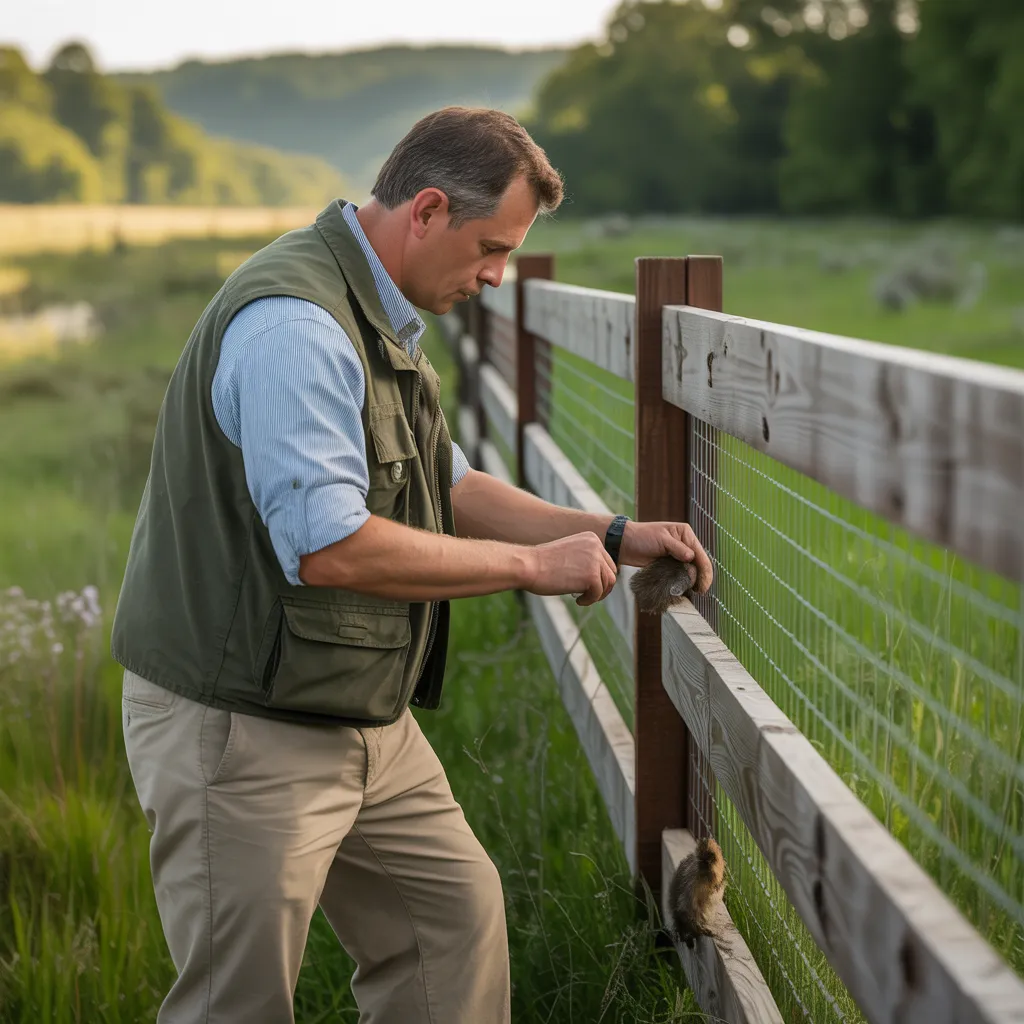
Why Wildlife Protection Matters in Property Management
Although property administration often prioritizes the needs of people and development, understanding the importance of wildlife conservation is vital for environmentally responsible practices. Animals and plants serve a vital function in maintaining ecological balance, supporting essential functions including seed dispersal, pollination, and pest management. Ignoring these factors can lead to detrimental consequences, including reduced biodiversity and habitat degradation.
In addition, weaving wildlife protection into property oversight can boost the overall welfare of communities. Green spaces benefit mental health and offer opportunities for recreation, while healthy ecosystems can enhance property values. Rules and guidelines focused on conserving wildlife also promote a sense of responsibility among property managers, advancing ethical stewardship.
In the end, acknowledging the deep connection between human actions and wildlife conservation is imperative. By prioritizing wildlife protection, property management not only safeguards natural habitats but also promotes long-term sustainability, making certain that both present and coming generations can enjoy a harmonious and flourishing environment.
What Our Local Ecosystems Require From Us
Local ecosystems need active involvement and careful management to flourish, as they face numerous challenges from urbanization and climate change. To preserve and nurture these ecosystems, it is critical to sustain biodiversity by defending native species and their natural habitats. This entails developing corridors that bridge fragmented environments, permitting wildlife to roam freely and respond to shifting conditions.
Additionally, controlling pollution and managing waste properly can significantly improve the quality of local water and soil health. Community participation and educational initiatives play fundamental roles in fostering a sense of stewardship among inhabitants, encouraging them to participate in conservation efforts.
Additionally, promoting environmentally conscious land use methods establishes that development does not come at the expense of key ecological systems. By focusing on these priorities, societies can build a sustainable dynamic with their natural surroundings, consistently producing stronger ecological systems that support both animal species and human communities.
Key Techniques for Transforming Properties into Wildlife-Friendly Spaces
Establishing wildlife-friendly properties necessitates a proactive mindset, as careful planning and stewardship can significantly improve habitats for a wide range of species. Land managers can start by introducing native vegetation, which offer nourishment and refuge for indigenous wildlife while demanding minimal upkeep and irrigation. Installing water features, such as small ponds or bird baths, supports a variety of species to flourish.
Additionally, decreasing the application of herbicides and pesticides is essential, as these substances can harm helpful insects and surrounding wildlife. Incorporating eco-friendly landscaping methods, such as leaving fallen logs or creating brush piles, delivers extra refuge.
Moreover, setting up birdhouses and bat boxes can support local birds and insect-eating bats, enhancing pest control efforts. As a final measure, sustaining open landscapes facilitates wildlife movement, minimizing habitat fragmentation. By adopting these strategies, land managers can build environments that support biodiversity while improving the overall ecological well-being of their properties.
Engaging the Community in Wildlife Conservation
Involving the public in wildlife conservation is essential for building a mutual sense of stewardship. Public participation programs, including awareness workshops and gatherings, can successfully increase awareness and encourage active involvement. These efforts not only strengthen regional awareness but also deepen the connection between community members and their surrounding ecosystem.
Community Engagement Initiatives
Community participation efforts serve a vital function in protecting local wildlife, fostering a sense of shared responsibility among residents. By including local participants in conservation efforts, land stewards can nurture community ownership for wildlife habitats. Efforts often feature volunteer programs for habitat restoration, citizen science projects that monitor local species, and joint environmental strategy development. Such programs not only improve ecological diversity but also build stronger neighborhood bonds, as residents work together towards common goals. Moreover, incorporating community participation allows for diverse perspectives, ensuring that conservation strategies are culturally and ecologically relevant. Ultimately, by empowering individuals to take an active role in wildlife protection, local areas can establish enduring ecosystems that support both human and wildlife well-being.
Learning Workshops and Events
Educational workshops and events act as a valuable channel for advancing wildlife conservation work within local communities. These initiatives facilitate information sharing, equipping participants with essential information about the importance of biodiversity and local ecosystems. By encouraging residents to participate in hands-on activities, such as environmental restoration or wildlife monitoring, these events foster a spirit of ownership and commitment towards the local natural environment. Working relationships with environmental experts and organizations additionally strengthen the experience, offering participants hands-on tools and resources. Furthermore, begin here these events can tackle pressing issues like environmental threats and habitat degradation, promoting active community participation. Overall, these educational programs not only increase awareness but also inspire community members to engage significantly in conservation and wildlife preservation, securing a sustainable future for local communities and nature alike.
How Protecting Wildlife Increases Property Value
Wildlife conservation efforts can greatly enhance property value by creating more aesthetically pleasing environments. These programs help develop sustainable ecosystems, which subsequently draw in a rising consumer interest for green residential environments. As real estate becomes more desirable to potential investors, their marketability improves, leading to higher valuations.
Elevated Aesthetic Appeal
A vibrant habitat can greatly elevate the visual attractiveness of a property, making it more attractive to interested buyers. Properties that include wildlife-friendly features, such as local vegetation and natural ecosystems, often present lively sceneries that invite admiration. The presence of avian species, insects, and local fauna creates a vibrant setting, enabling residents to bond with their surroundings. This organic splendor not only enchants but also promotes a sense of tranquility and well-being. Additionally, homes that emphasize wildlife protection often reflect a commitment to environmental stewardship, resonating with eco-conscious buyers. In the end, enhanced aesthetic appeal through wildlife protection can meaningfully elevate property value, making it a sound investment for property managers seeking to engage quality-focused purchasers.
Eco-Friendly Ecosystem Advantages
Incorporating wildlife protection into property management not only elevates aesthetic appeal but also cultivates a sustainable ecosystem that can considerably enhance property value. By developing habitats for local wildlife species, properties can enhance biodiversity, which supports stronger natural ecosystems. This environmental balance helps sustain soil quality, water resources, and natural pest control, reducing the need for synthetic chemical use. Moreover, properties that prioritize wildlife protection often appeal to environmentally conscious buyers, boosting marketability. Verdant spaces and natural features can lead to increased recreational opportunities, further enhancing a property's appeal. Overall, the integration of wildlife protection into property management not only preserves natural resources but also serves as a sound long-term investment, leading to enhanced property valuation over time.
Growing Market Demand
As property managers grow more aware of the significance of wildlife protection, market demand for eco-friendly properties continues to rise. This growing awareness aligns with consumer preferences for sustainable living, where buyers deliberately search for properties that champion environmental stewardship. Properties that embrace wildlife-friendly approaches not only improve biodiversity but also appeal to environmentally aware tenants and buyers. Research shows that such properties tend to secure higher rental rates and resale values, as they are viewed as increasingly desirable investment options. Furthermore, compliance with wildlife protection regulations can mitigate risks associated with potential fines or legal challenges, further enhancing market appeal. Consequently, integrating wildlife protection measures becomes a strategic approach to increasing property value while contributing positively to the ecosystem.
Effective Efforts in Wildlife Conservation
Despite the fact that many property management companies place emphasis on financial gain, proven wildlife preservation efforts demonstrate that responsible ecological practices can complement financial pursuits. Several businesses have incorporated environmentally conscious methods that benefit both wildlife and property values. As a prime example, the creation of wildlife corridors in urban developments allows animals to thrive while enhancing the aesthetic appeal of properties.
Moreover, some organizations pursue habitat recovery programs, which not only maintain native ecosystems but also appeal to eco-conscious tenants. Integrating sustainable landscapes and native landscaping further supports natural diversity, drawing an expanding audience focused on eco-friendly practices.
Additionally, educational programs designed for residents nurture a spirit of community responsibility towards regional wildlife, promoting responsible stewardship. Such programs demonstrate that incorporating wildlife conservation into real estate management can strengthen a business's reputation and profitability, ultimately demonstrating that environmental and economic goals are entirely compatible.
Questions We Often Receive
Which Legal Regulations Apply to Wildlife Protection in Property Management?
Several legal regulations, comprising the Endangered Species Act and the Migratory Bird Treaty Act, guide wildlife protection in real estate management. These regulations obligate those managing properties to guarantee that habitats are protected and maintained and that no species are injured or disturbed during development.
How Do Property Owners Go About Identifying Local Wildlife Species?
Landowners can identify native wildlife by conducting surveys, consulting local wildlife databases, partnering with wildlife conservation organizations, and utilizing mobile apps designed for species identification, broadening their awareness of the biodiversity found on their land.
What Are the Economic Benefits of Wildlife-Friendly Properties?
Eco-friendly properties frequently draw in green-minded homebuyers, increasing the worth of real estate. Furthermore, they can benefit from possible tax benefits and greater tourism income, encouraging environmentally responsible methods that protect native environments while delivering financial benefits to estate holders.
How Can Property Managers Keep Up With Wildlife Protection Practices?
Property managers can stay updated on wildlife protection practices by participating in workshops, subscribing to relevant journals, participating in online courses, becoming members of professional associations, and working alongside environmental organizations to access the latest research and guidelines.
How Do Native Plants Contribute to Wildlife Conservation?
Native vegetation acts as essential habitats and food sources for local wildlife, encouraging biodiversity. They sustain pollinators, supply shelter, and strengthen ecosystem resilience, thereby contributing to the overall health and sustainability of natural environments.